Views: 0 Author: Site Editor Publish Time: 2026-01-09 Origin: Site
Introduction
Looking for an efficient, eco-friendly lighting solution?
Solar street lights outdoor offer a sustainable alternative to traditional street lights, providing illumination without relying on the grid. With waterproof designs and motion sensors, these lights perform well in all weather conditions. In this article, we’ll explore how solar street lights outdoor work, their benefits, and why they’re becoming the go-to choice for modern lighting solutions.
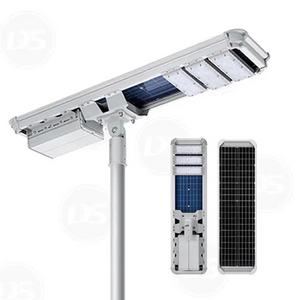
The foundation of any solar street lights outdoor system is the solar panel. These panels capture sunlight during the day and convert it into electrical energy, which is stored in batteries for later use. The efficiency of these panels is crucial in determining how well the system will perform in areas with limited sunlight.
● Monocrystalline vs. Polycrystalline Panels: Monocrystalline panels are more efficient but tend to be more expensive. Polycrystalline panels are cost-effective but slightly less efficient. Monocrystalline panels are often the preferred choice for solar street lights due to their higher performance per square meter.
● Panel Placement: The angle and positioning of the solar panels can greatly impact their energy collection. Ideally, the panels should be placed in a location that receives direct sunlight for as many hours as possible each day. This will maximize the energy collected, especially in areas with long nights or overcast weather.
Batteries: Storing Solar Energy
Once the solar panels collect energy, it is stored in rechargeable batteries, typically lithium-ion or lead-acid batteries. These batteries power the LED lights at night. The size of the battery directly influences how long the street light can function without sunlight, as well as how much energy it can store for extended cloudy days.
● Lithium vs Lead-Acid Batteries: Lithium-ion batteries are more expensive but offer a longer lifespan, higher efficiency, and better performance in extreme temperatures compared to lead-acid batteries. While lead-acid batteries are cheaper, they require more maintenance and have a shorter service life.
● Battery Capacity: The capacity of the battery is measured in amp-hours (Ah) or watt-hours (Wh) and determines how much energy can be stored for use. A larger capacity is essential for lights that need to run through long, cloudy nights or during inclement weather.
Smart Controllers: Regulating Power
The controller is the brain of the solar street lights outdoor system. It regulates the energy flow between the solar panels, battery, and light fixture. The controller ensures that the battery is charged correctly and prevents overcharging, which can damage the battery.
● Dusk to Dawn Control: The controller uses light sensors to detect when it is dark enough for the light to turn on at night and when to turn off in the morning. This automatic on/off operation ensures that the system functions without requiring human intervention.
● Time-Based Dimming: Many advanced systems feature time-based dimming capabilities, where the light dims after a set period of time to save energy during the night. This feature is especially useful in less trafficked areas where full brightness is not necessary throughout the night.
Motion Sensors: Enhancing Efficiency
One of the most innovative features of modern solar street lights outdoor is the integration of motion sensors. These sensors detect movement in the area and adjust the light output accordingly. When no movement is detected, the light dims, saving energy. When someone approaches, the light brightens, providing better visibility.
● PIR Sensors: Passive Infrared (PIR) sensors detect heat signatures and motion from humans or animals. These sensors are commonly used in solar street lights outdoor to provide energy savings while maintaining safety.
● Microwave Sensors: Unlike PIR sensors, microwave sensors use electromagnetic waves to detect motion, allowing for a broader range of detection. They are ideal for wider areas or in situations where detection range is a priority.
Tip: Using motion sensors in solar street lights outdoor can save up to 50% more energy by reducing unnecessary lighting during low-traffic hours.
Advantages of Solar Street Lights Outdoor with Sensors
Cost Savings and Energy Efficiency
One of the most attractive benefits of solar street lights outdoor with sensors is their ability to significantly reduce energy consumption. These lights operate solely on solar energy, meaning no monthly electricity bills for municipalities. Additionally, with sensors that adjust the light output based on movement, energy is saved during low-traffic periods.
● Lower Operational Costs: Solar lights eliminate the need for expensive grid electricity, and motion sensors reduce the amount of energy used by dimming the light when there is no movement.
● Low Maintenance: Solar street lights outdoor with sensors are designed to be durable and low-maintenance, requiring fewer repairs and replacements compared to traditional street lighting systems.
Environmental Benefits
The environmental benefits of solar street lights outdoor are significant. Solar energy is a renewable resource, meaning that solar street lights help reduce the use of fossil fuels and decrease carbon emissions. By relying on solar power, these lights provide an eco-friendly alternative to traditional grid-powered lighting.
● Zero Emissions: Solar-powered lights produce no emissions during operation, making them an environmentally responsible choice.
● Promotion of Renewable Energy: Solar street lights promote the use of renewable energy in public infrastructure, helping cities contribute to global sustainability efforts.
Enhanced Security and Safety
In addition to saving energy, solar street lights outdoor with motion sensors enhance public safety. By automatically adjusting brightness based on activity in the area, these lights ensure that well-lit areas are always available when needed, improving visibility and deterring criminal activity.
● Increased Brightness on Demand: The ability to brighten when detecting motion enhances security for pedestrians, cyclists, and drivers, particularly in poorly lit areas.
● Remote Monitoring: Some advanced systems include remote monitoring features, allowing authorities to track the status and performance of street lights, ensuring that all areas remain adequately lit.Table 1 — Key Features of Solar Street Lights with Sensors
Table 1 — Key Features of Solar Street Lights with Sensors
| Feature | Description |
| Solar Panels | Convert sunlight into electrical energy, storing it in batteries for nighttime use. |
| Motion Sensors | Adjust brightness based on detected movement, optimizing energy use. |
| Batteries | Store solar energy for use when sunlight is unavailable. |
| Smart Controllers | Regulate energy flow and automate on/off and dimming functions. |
| Waterproof Design | Ensures durability and performance in all weather conditions. |
How to Choose the Right Solar Street Lights Outdoor for Your Project
Consider the Lighting Requirements
When selecting solar street lights outdoor, it’s crucial to evaluate the specific lighting needs for the area. Consider factors like road width, pole height, and the level of brightness required. Solar street lights outdoor come in different wattages, and selecting the right wattage for your project will ensure optimal performance.
● Road Lighting: For highways or busy streets, higher wattage solar street lights may be required for optimal brightness.
● Pathways and Parks: For less-trafficked areas, a lower wattage light with a motion sensor can provide adequate lighting while saving energy.
Evaluate Battery Capacity and Autonomy
The capacity of the battery is essential to ensure that the light works throughout the night. Be sure to choose a solar street light with a battery capacity that will provide sufficient power, even on cloudy or rainy days.
● Autonomy: Make sure the system has enough autonomy to last through extended cloudy periods.
● Battery Lifespan: Lithium batteries tend to last longer and perform better in extreme temperatures compared to lead-acid batteries.
Durability and Waterproof Features
Since solar street lights outdoor are exposed to various weather conditions, it’s crucial to ensure that the lights have durable, waterproof features. A high IP rating (such as IP65 or higher) ensures that the light will be protected from dust and water.
● Corrosion Resistance: Ensure that the materials used in the solar light’s casing and components are resistant to corrosion, particularly in humid or coastal environments.
Table 2 — Key Considerations for Solar Street Lights Outdoor